
Advanced Cardiovascular Services
Care for the Heart From The Heart
A heart concern can bring questions about your health, your family and the life you want to return to. At Tristate, advanced cardiovascular care begins with understanding those concerns alongside your medical needs.
Our cardiology and cardiothoracic teams assess your condition and discuss the investigations or treatment appropriate to you. You should understand why a recommendation is made, what the alternatives are and what it may mean for daily life.
Your consultation
Tell us about your symptoms, existing conditions and medicines. Bring previous results where available. Whether you are reviewing your heart health or discussing an established diagnosis, your consultation helps determine what needs attention.
Understand your heart tests
-
ECG or EKG
A short recording of the heart’s electrical activity that provides information about its rate and rhythm. ECG and EKG are names for the same test.
-
Echocardiogram
An ultrasound examination that shows the heart’s structure, pumping function and valves. It answers different questions from an ECG.
-
Holter monitoring
A portable monitor records your heart rhythm over time to help investigate changes that may not appear during a brief test.
-
Exercise stress test
Monitors how your heart responds to supervised exercise. The team will explain how to prepare and what the examination involves.
-
Specialist echocardiography
Some assessments need a closer view through transoesophageal echocardiography or an examination of heart function under stress. Your clinician will explain why a particular test is recommended.
Before and after your test
Confirm any preparation instructions, when the results will be ready and who will discuss them with you. Do not change your medicines unless your clinical team advises you to do so.
Cardiovascular treatment and recovery
If a procedure is recommended
Understanding your choices is part of preparing for treatment. Ask what the procedure aims to achieve, its risks, the alternatives and the support you may need afterwards.
Cath lab and interventional care
The cardiac catheterisation laboratory, or cath lab, supports investigations and treatments using thin tubes guided through blood vessels.
- Coronary angiography: uses contrast dye and X-ray imaging to examine the arteries supplying the heart.
- Cardiac catheterisation: assesses pressures and other aspects of heart function. Right- and left-heart assessments answer different questions.
- Coronary angioplasty and stenting: opens a narrowed coronary artery, usually with a balloon and a small supporting tube called a stent.
Heart rhythm and device care
- Pacemaker assessment and implantation: evaluates whether a device could help with certain slow heart rhythms or electrical conduction problems.
- Pacemaker follow-up: checks how the device is working and reviews its settings.
- Cardiac resynchronisation therapy: a specialised pacing treatment that helps the heart’s chambers work together more effectively in selected patients.
Structural heart procedures
- Balloon valvuloplasty: widens a narrowed heart valve in suitable cases.
- Atrial septal defect closure: closes a suitable opening between the heart’s upper chambers using a catheter-based device.
- Patent ductus arteriosus closure: treats a persistent connection between major blood vessels near the heart when catheter-based closure is appropriate.
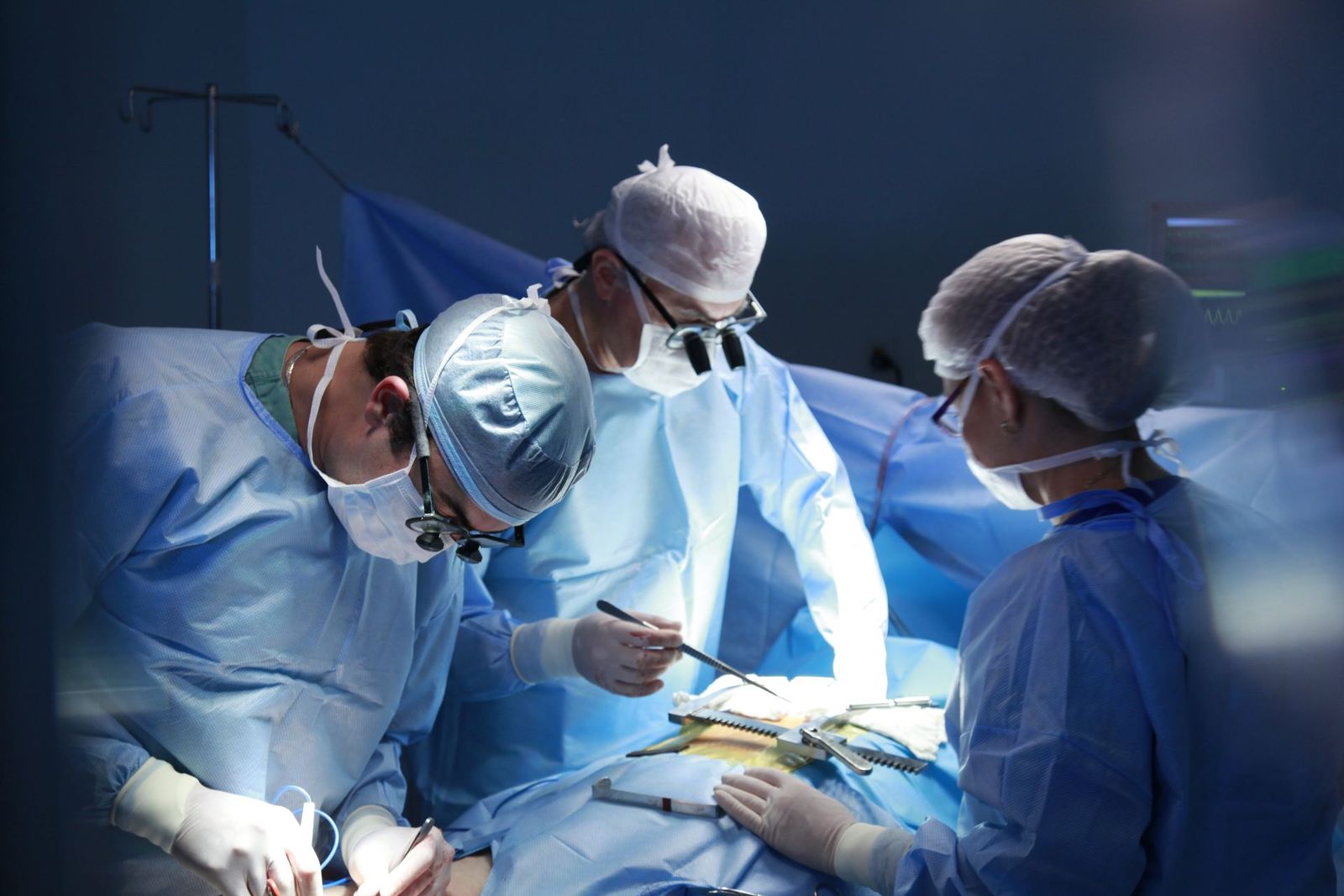
Cardiothoracic Surgery
Consultations for conditions affecting the heart and chest that may need surgery. Cardiothoracic SurgeryPreparing for life after treatment
Discuss your medicines, return to daily activities and follow-up appointments before leaving hospital. Ask about rehabilitation and other recovery support, and let the team know if travel, cost or family responsibilities could affect your care plan.
- General enquiries info@tristatehs.com
- Emergency line 0810 681 5163
- Lekki and Ibadan Locations and Directions
Related services
Our Services
Find care for what matters to you
Choose an area of care below. If you are unsure where to begin, ask our team for guidance. Services and clinic schedules vary by hospital.